If you or your patients are dealing with chronic plantar heel pain (often labeled broadly as Plantar Fasciitis), you know exactly how frustrating the recovery loop can be. The pain is sharpest in the morning, gradually loosens up during the day, only to return with a vengeance after a period of rest.
Most traditional rehab protocols prescribe endless calf stretching, rolling the foot on a hard lacrosse ball, or aggressive deep tissue massage. Yet, for many stubborn cases, these techniques fall short. Why?
Because when the plantar fascia and the surrounding tissues are chronically inflamed and adhered, simply pushing down on them (compression) doesn't always break the pain cycle. In fact, applying painful, deep pressure to an already angry, inflamed heel can sometimes delay necessary healing.
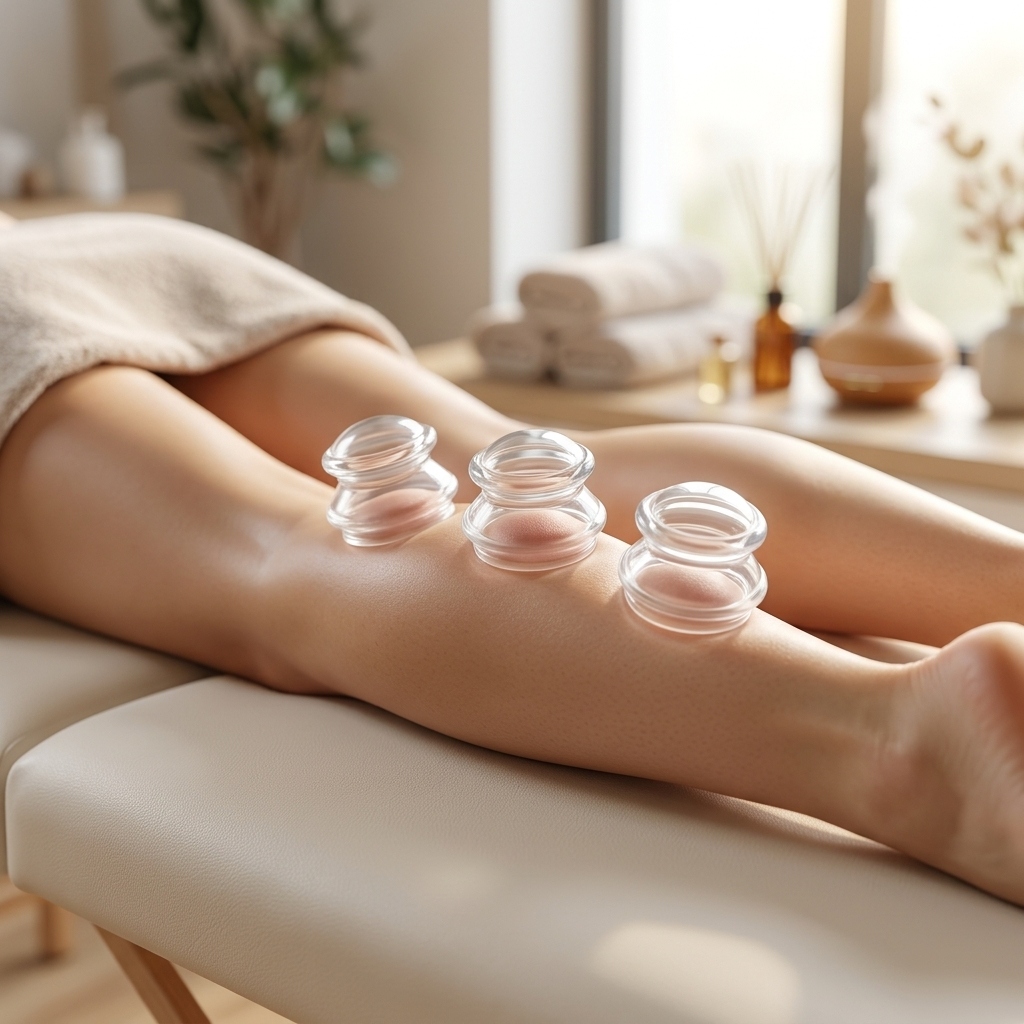
Enter Myofascial Decompression
This is where Cupping Therapy—clinically known as Myofascial Decompression (MFD)—changes the paradigm. Instead of applying more mechanical pressure downward, cupping uses negative pressure to PULL and LIFT the tissue. By creating vertical space between the muscle, fascia, and skin, it addresses the dysfunction from an entirely different biomechanical angle.
Here is exactly how it accelerates recovery for plantar and Achilles issues:
1. Decompresses Sensitive Tissues
When the plantar fascia is tight, it continuously tugs on the heel bone (calcaneus), causing severe inflammation and bone spurs. Cupping physically lifts the tightened fascia away from the underlying structures. This "lift" instantly reduces mechanical pressure on the sensitive pain receptors (nociceptors) around the heel, providing rapid pain relief.
2. Creates a Massive Localized Flush
Chronically tight tendons and fascia are notoriously ischemic—meaning they have a poor blood supply, which is why they heal so slowly. The negative suction from the cups acts as a localized vacuum. It manually pulls dead cellular waste out of the tissues and rushes fresh, highly oxygenated blood directly into the damaged area, kickstarting the body's natural repair mechanisms.
3. Breaks Calf and Achilles Adhesions
Heel pain rarely originates solely in the foot. In almost all cases, incredible tension in the calves (gastrocnemius and soleus) and the Achilles tendon act as the primary culprits pulling on the heel. Cupping the posterior chain of the leg effectively smooths out fascial adhesions and "knots" along these muscles much faster than foam rolling.
The Clinical Advantage of Silicone Cups
It is nearly impossible to maintain suction using traditional rigid glass fire cups over the complex, bony contours of the heel, ankle, or sole of the foot.
This anatomical challenge is exactly why modern physical therapy clinics and sports chiropractors are switching to flexible, medical-grade silicone cups.
High-quality silicone flawlessly molds to awkward surfaces. A practitioner can effortlessly place a cup directly on the bottom of a patient's foot or curve it around the Achilles tendon. Furthermore, because there is no fire or hard plastic involved, the therapist can safely instruct the patient to perform active ankle movements (like pointing and flexing the toes) while the cups are applied. Adding this active mobility drastically amplifies the fascial release.
Upgrade Your Rehab Protocols
Stop relying entirely on compression. Give your patients the relief they’ve been waiting for by introducing safe, effective myofascial decompression into your lower limb treatment plans.
Looking for Reliable Clinical Tools?
Equip your clinic with our 100% Medical-Grade Platinum Silicone Cupping Sets. Unbreakable, fully autoclavable, and engineered for dynamic active release.
Discover Our Professional Sets